
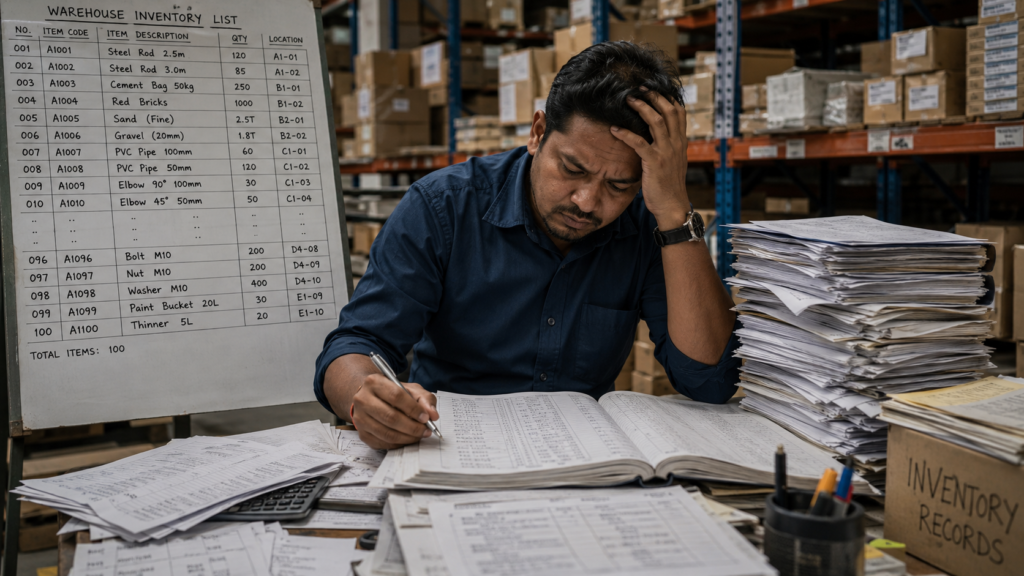
Most warehouse problems don’t start with a lack of space. They start with a lack of visibility.
A pallet gets stored in the wrong location. A forklift sits idle because nobody knows where it was left. Staff spend hours searching for equipment or counting stock that should already be accounted for. None of these issues seem major on their own, but together they slow operations, increase costs and make it harder to keep customers happy.
Many businesses respond by expanding their warehouse or hiring more people. In reality, the better investment is often gaining better control over the warehouse they already have.
That is where RFID asset management comes in.
RFID, or Radio Frequency Identification, allows businesses to identify and track tagged assets automatically. Unlike barcodes, which need to be scanned one at a time and within direct line of sight, RFID readers can detect multiple tagged items at once, even when they are stacked inside cartons or sitting on pallets. The result is faster data collection with far less manual effort.
Why Traditional Tracking Falls Short
Manual stock counts and barcode scanning still have their place, but they become difficult to manage as warehouse operations grow.
Inventory audits take longer than expected. Small counting errors build up over time. Equipment goes missing because nobody remembers where it was last used. Receiving and dispatch slow down because staff have to stop and scan individual items.
These delays affect more than warehouse productivity. They lead to inaccurate inventory records, stock shortages, delayed deliveries and unnecessary labour costs.
Real-Time Visibility Changes Everything
One of the biggest advantages of RFID is that it gives warehouse managers a live view of what is happening across the facility.
Instead of relying on spreadsheets or waiting until the next stock count, managers can see where tagged assets are located, how inventory is moving and what has entered or left the warehouse.
That level of visibility makes everyday decisions much easier. Staff spend less time searching for missing items, supervisors can identify problems earlier and inventory records stay accurate without constant manual updates.
Faster Stock Counts with Less Disruption
Ask anyone who has managed a warehouse, and they will tell you that stock takes are rarely enjoyable. They often require extra staff, overtime or even temporary shutdowns.
RFID changes that process completely. A handheld reader can identify hundreds or even thousands of tagged items in minutes. Fixed readers placed at key locations can continuously update inventory without interrupting daily operations.
Because stock counts become quicker and easier, businesses can perform them more frequently. That means fewer surprises at the end of the month and much greater confidence in inventory accuracy.
Keeping Track of More Than Inventory
Warehouses are filled with valuable assets that never appear on a customer invoice. Forklifts, pallet cages, handheld scanners, tools and returnable containers all need to be available when staff need them.
Without a reliable tracking system, employees often waste valuable time looking for equipment that is already somewhere inside the building.
RFID records the movement of these assets automatically, making it much easier to locate equipment and understand how it is being used. That improves accountability while reducing time lost searching for missing items.
Better Accuracy Means Better Customer Service
Customers rarely see what happens inside a warehouse, but they notice the results.
Late deliveries, incorrect shipments and cancelled orders usually begin with inaccurate inventory information. When warehouse staff know exactly what stock is available and where it is located, picking becomes faster and mistakes become less common. Orders leave on time, inventory planning improves and businesses can provide customers with greater confidence when confirming delivery dates.
Stronger Security Without Extra Work
Not every warehouse loss comes from theft. Items are misplaced, equipment is moved without being recorded and inventory sometimes ends up in the wrong location.
RFID creates an automatic record whenever tagged assets move through the warehouse. Managers can review movement history, investigate unusual activity and quickly identify where problems have occurred without relying entirely on manual reports.
Built for Growing Warehouses
As businesses expand, warehouse operations naturally become more complex. More products, more storage locations and more equipment create more opportunities for mistakes.
RFID systems grow with the business. They can support larger inventories, multiple warehouse locations and integration with Warehouse Management Systems (WMS) or Enterprise Resource Planning (ERP) software. Instead of creating more manual work, information flows automatically between systems, giving everyone access to accurate, up-to-date data.
The Bottom Line
The most efficient warehouses are not always the biggest. They are the ones that know exactly where their assets are, what inventory they have and how goods move through the operation.
RFID gives businesses that level of control.
By reducing manual work, improving inventory accuracy, tracking valuable assets and helping orders move through the warehouse more efficiently, RFID helps businesses lower operating costs while delivering a better service to customers.
In an industry where speed and accuracy make all the difference, having real-time visibility is no longer a luxury. It is becoming the standard that separates efficient warehouses from the rest.
FAQ
Q1: How does RFID differ from traditional barcode scanning?
Answer: Unlike barcodes, which require a direct line of sight and must be scanned one at a time, RFID (Radio Frequency Identification) readers can automatically detect and read multiple tagged items simultaneously. This works even when the items are stacked inside cartons or sitting on pallets, resulting in much faster data collection with significantly less manual effort.
Q2: What problems arise when growing warehouses continue to rely on manual tracking and barcode scanning?
Answer: As operations expand, traditional tracking methods become harder to manage. Inventory audits take much longer, small counting errors accumulate, and equipment frequently goes missing. The need to stop and scan individual items slows down receiving and dispatch, ultimately leading to inaccurate inventory records, stock shortages, delayed deliveries, and unnecessary labor costs.
Q3: Besides store inventory, what other items should a warehouse track using RFID, and why?
Answer: Warehouses should also track valuable operational assets like forklifts, pallet cages, handheld scanners, tools, and returnable containers. Tracking these items prevents employees from wasting time searching for them, ensures the equipment is available when needed, and improves overall accountability.
Q4: How does gaining real-time visibility through RFID improve customer service?
Answer: Accurate, real-time inventory data directly impacts the customer experience. When staff know exactly what stock is available and where it is located, picking becomes faster and mistakes are minimized. As a result, orders ship out on time, incorrect shipments and canceled orders are reduced, and businesses can confidently guarantee delivery dates.
Q5: How does RFID make stock counting (stock takes) less disruptive?
Answer: Stock takes traditionally require extra staff, overtime, or temporary shutdowns. With RFID, a handheld reader can identify hundreds or thousands of items in minutes, and fixed readers can continuously update inventory automatically. This makes counts quicker, easier, and less disruptive, allowing them to be performed more frequently for greater accuracy.
Leave a Reply